The Dangers of Counterfeit Cooking Gas
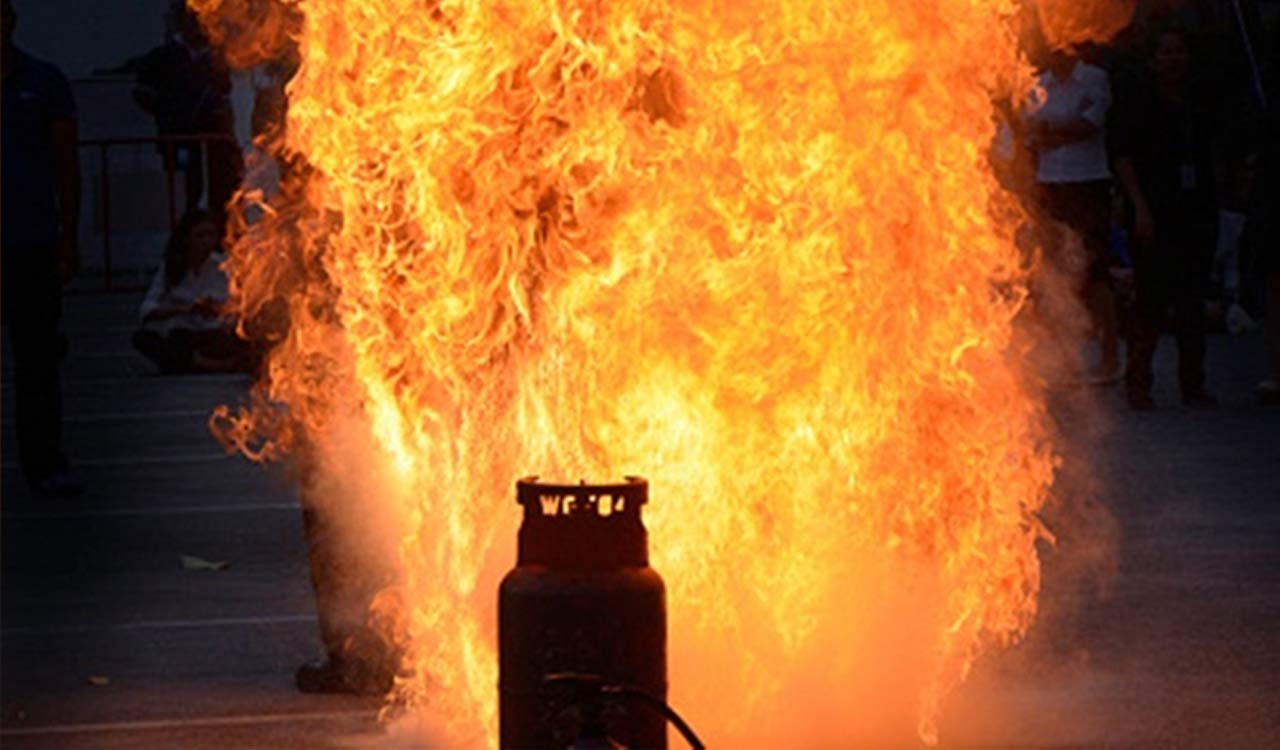
In an effort to save a few shillings, many households unknowingly risk their lives by purchasing illegally refilled gas cylinders. This guide exposes the hidden dangers of the counterfeit LPG trade.
Why Counterfeit Gas is Lethal
Unlike authorized retailers, illegal refillers often operate in hidden basements or backyards without any safety protocols. They bypass the rigorous pressure tests and valve inspections that multinational brands perform.
Compromised Valves
Illegal refillers often use worn-out valves that are prone to leaking, especially under the high-pressure environment of a kitchen.
Incorrect Weight
You rarely get what you pay for. A "13kg" cylinder might contain only 10kg of gas, with the rest being air or chemical impurities.
How to Spot the Signs
Before you take that cylinder home, perform these three critical checks:
- The Shrink Wrap Seal: Authorized brands use a branded, high-quality heat-shrink wrap. If the seal looks loose, untidy, or is missing the brand logo, it is likely counterfeit.
- Standard Pricing: If the price seems "too good to be true" (20-30% below market rate), it is almost certainly illegal gas.
- Retailer Reputation: Only buy from licensed distributors. Ask for a KRA receipt as proof of transaction.
Maloo Gas: The Source of Truth
Since 1994, we have maintained a 100% safety record by dealing exclusively with multinational brand owners. When you order from us, you aren't just buying gas-you're buying peace of mind.